

Twenty years ago today, my friend Todd attached his GriGri to a rope, clipped it into his harness and leaned back to rappel as he had done thousands of times before. This time, though, his worn belay loop gave way and he fell, a thousand feet give or take, to the floor of Yosemite Valley.
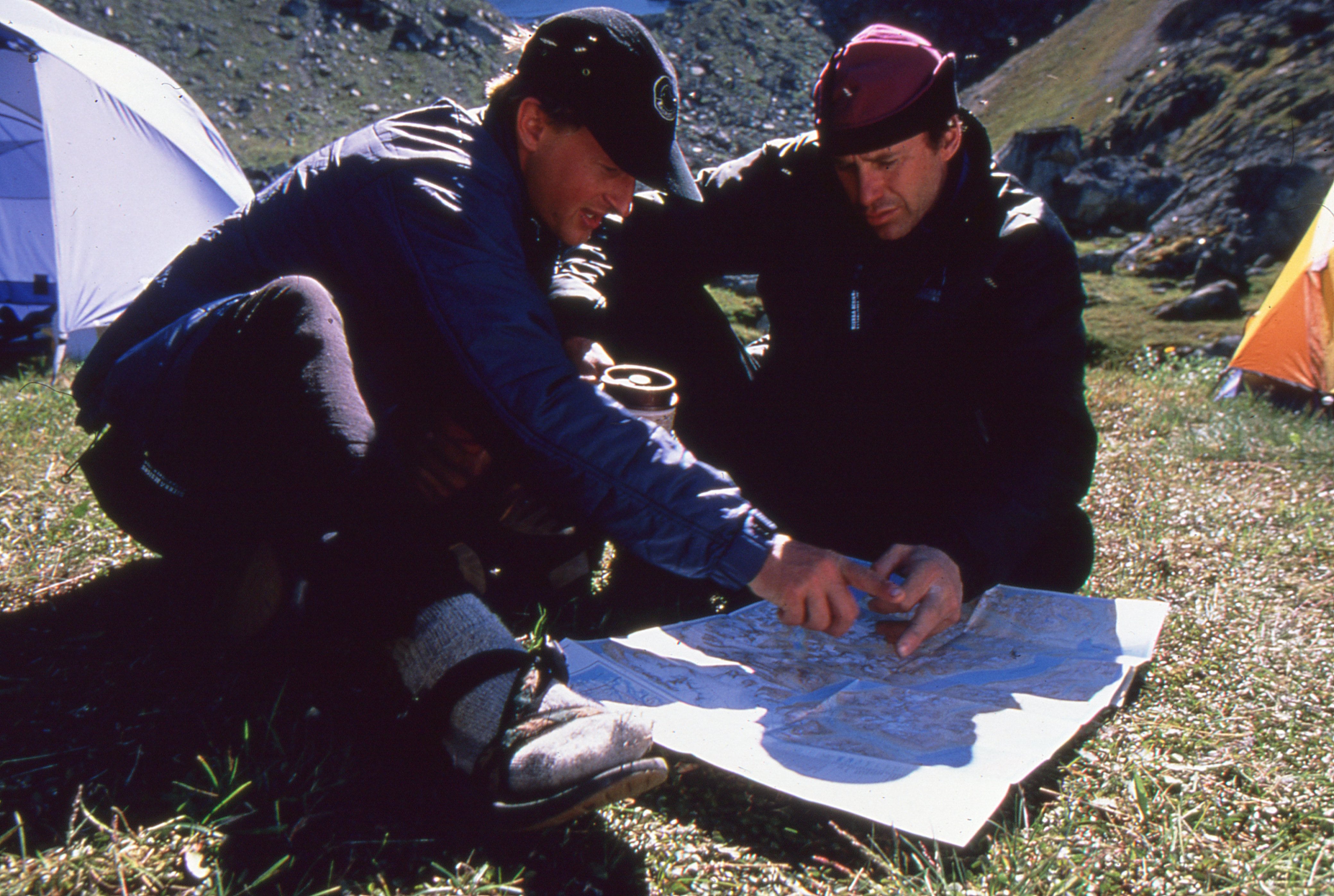
I had known him roughly twenty years in October of 2006. I had gone from fan, to acquaintance, to climbing partner, to friend in that time. Together, we weathered the loss of friends and family, dreamed of finding the best and steepest rock in the world, and worked to make climbing a life. Most of all, though, we spent hours at the base of crags, in airplanes, and in cars, all in the pursuit of this crazy love so many of us share.
Todd was more than just a great climber. He was a connector, a driver, and a visionary. More than any other climber of his generation, he could see what the future of the sport would become. He knew well that his own hardest climbs would be done in better style and faster, and that one day someone would flash the things that took him seasons to climb. He was proud of his place in this evolution rather than afraid of it.
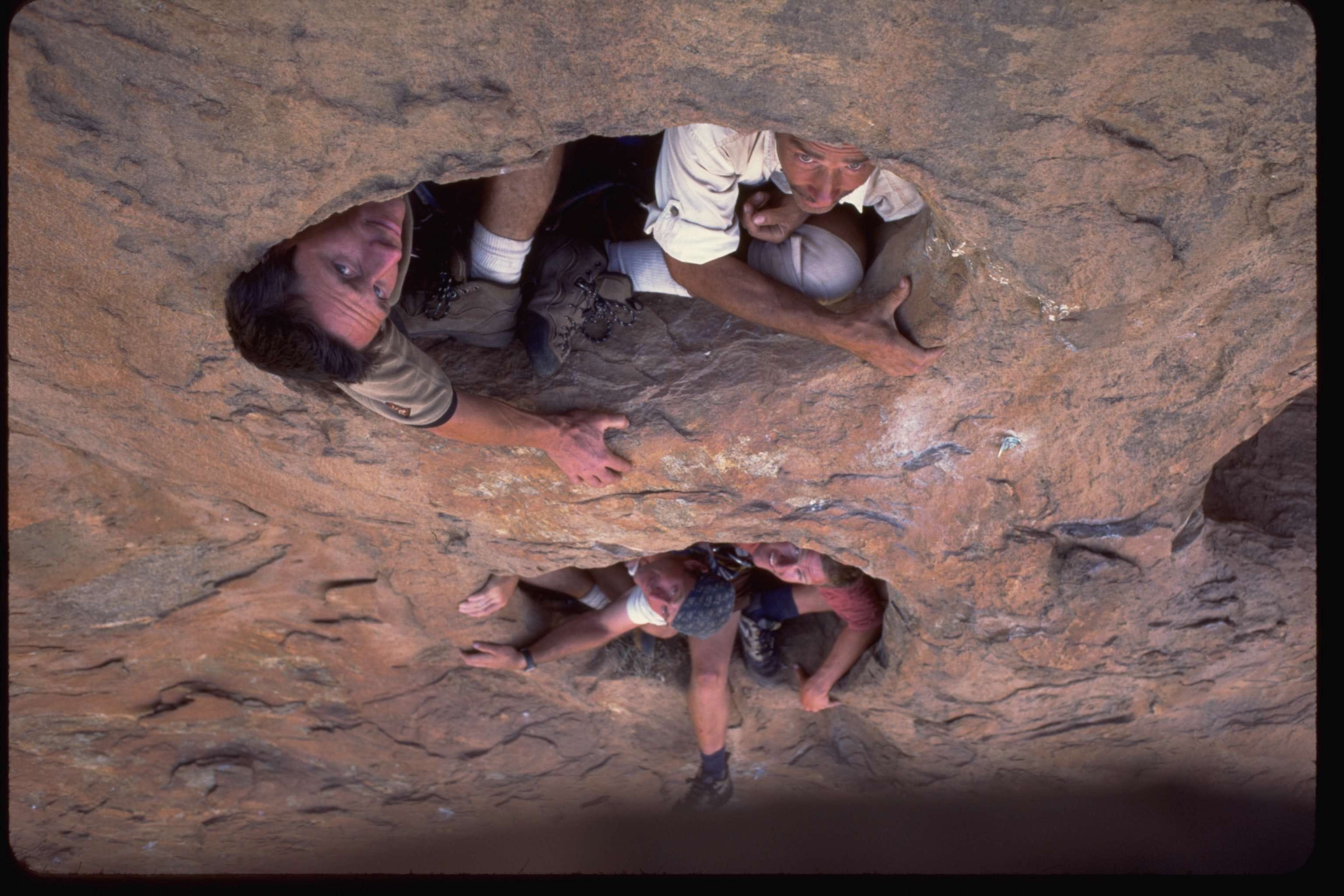
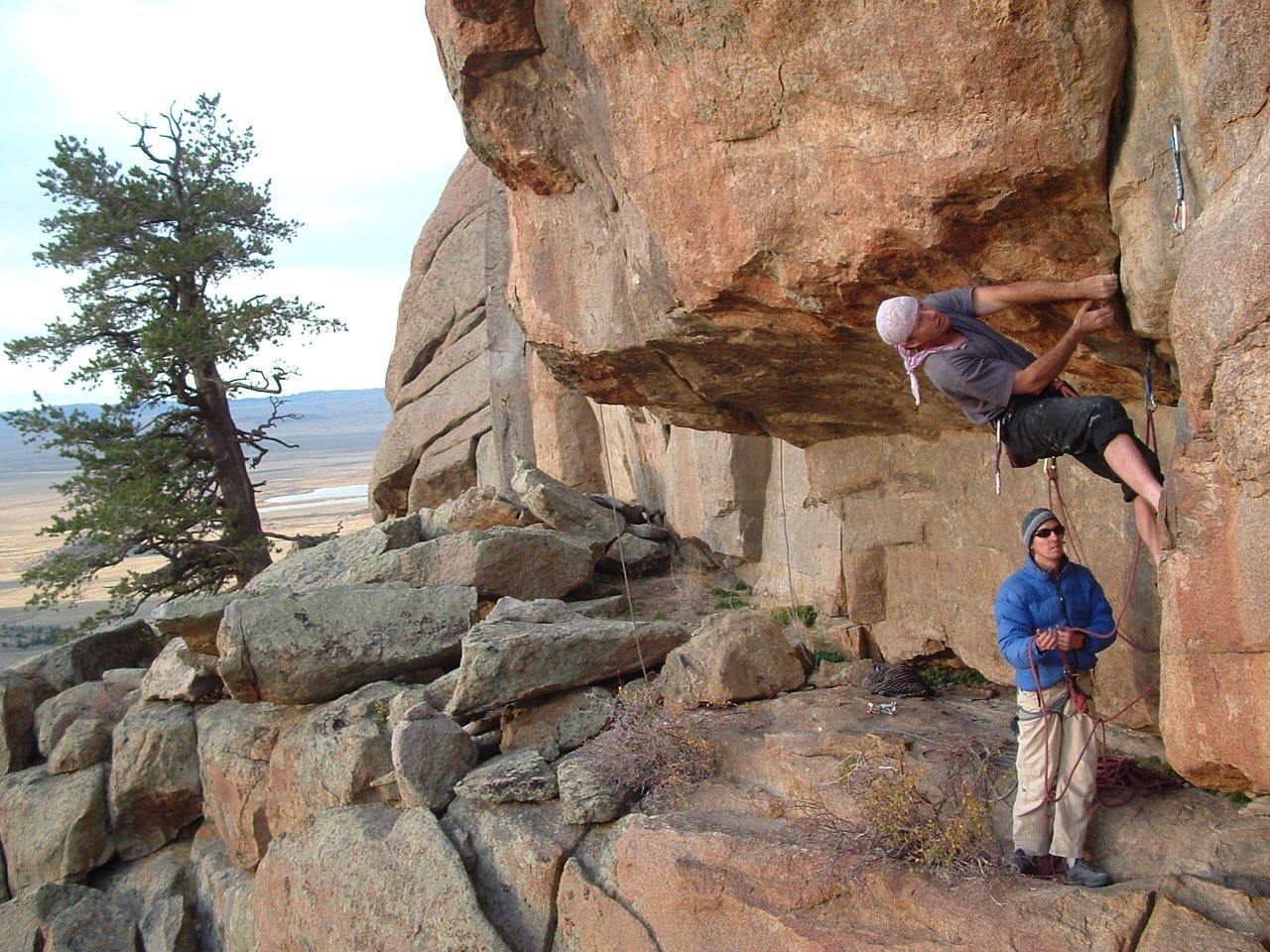
Todd was a half-generation older than I was and was a bit of a legendary figure when I was coming up in the Wyoming climbing community. In early 1990, he returned to Wyoming after drifting around the globe in search of hard rock climbs for nearly a decade. It didn’t take long before the rumor mill had us all wondering about the limestone climbing outside of Lander and why someone who could live anywhere in the world would pick this place to settle down.
I remember the day that my friend Jed Flanagan and I first drove into Wild Iris in the early summer of 1990. We had heard about the crag, had been told where to turn off of the highway, and we just drove up the road until we saw what looked like climbers’ cars parked alongside of the road. Having been to secret crags before, we were a little bit nervous about actually running into other climbers. We shouldered our bags, walked up the faint path, and went straight to the whitest cliff I’d ever seen.
We hadn’t been there but 5 minutes before Skinner walked around the corner and looked at us with surprise. I had only met him a couple of times in the past and wasn’t sure he would recognize me. I was not at all certain that we would be welcome at the crag.
“Well Goddamn! Took you long enough to get here. Did you bring your drill?” Not only were we welcome, but wanted.
It wasn’t long before I took a job working at Wild Iris Mountain Sports down in Lander and was climbing around Todd and his girlfriend Amy frequently at the local crags. A few years later, I joined Todd on a free ascent of Half Dome, and then we followed that up with the Trango Tower trip in 1995.
Soon we were trying to do an international trip to a big wall destination as frequently as every year and frantically trying to develop single pitch climbs near our home in Lander. Todd and I shared a mission, and both of us believed in building the community of climbers in Lander and developing high-quality routes for them to enjoy.
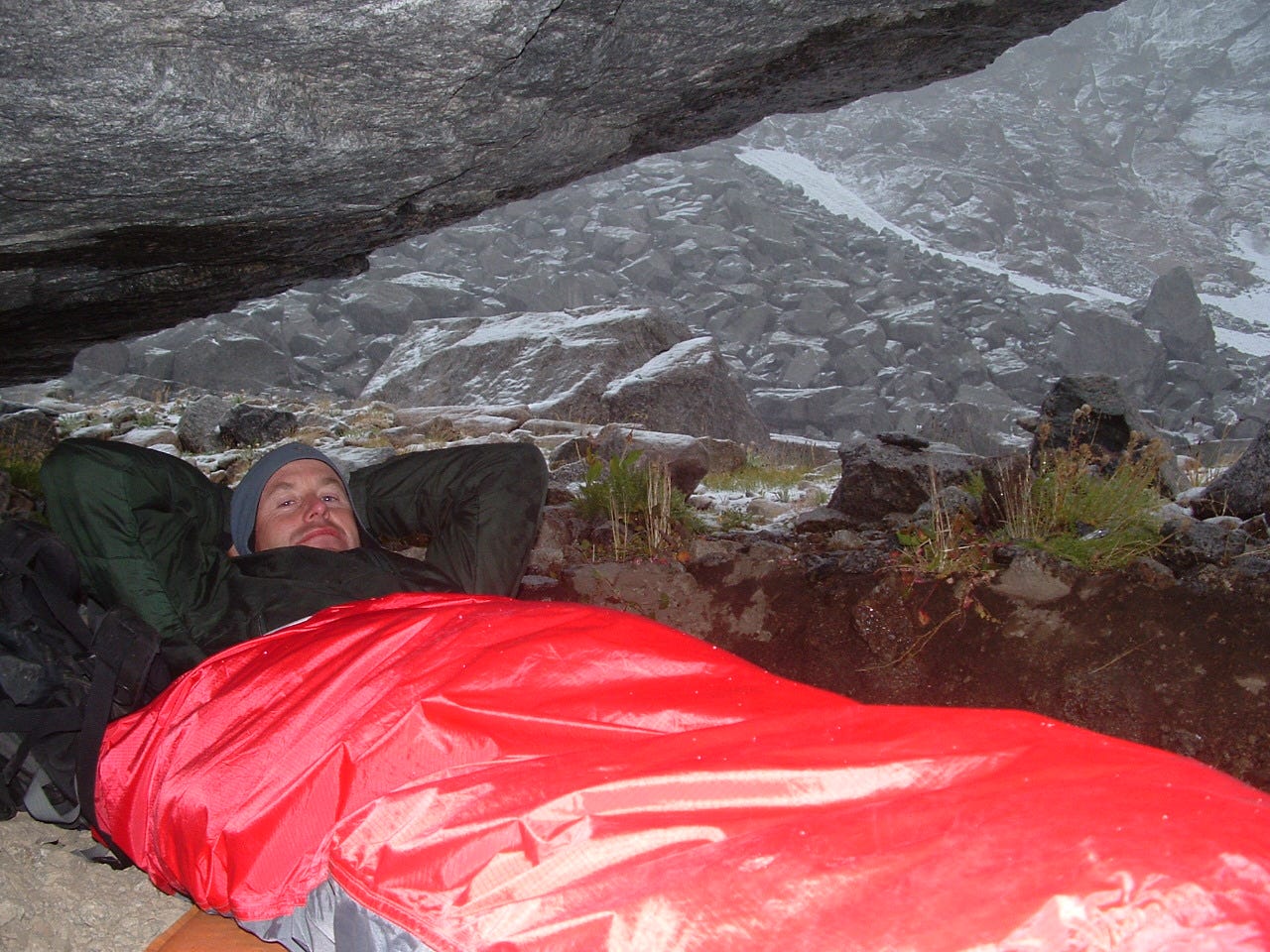
Looking back, I see that Todd was criticized and reviled for doing the very things that today’s climbers feel are normal: working cruxes, placing bolts, inspecting routes on rappel. Like Dylan strapping on the electric guitar at Newport, Todd dedicated himself to climbing the way he knew people would have to in order to reach the limits of our potential.
So many of my friends wanted to be among the cool kids who held to some kind of trad ethic… lowering after each fall, trying to place bolts on lead, taking risky falls…I just wanted to climb hard routes and go to wild places.
Todd had the drive to go to those places and the ability to finance those trips. And the crew he ended up with weren’t the most talented climbers around, but we were able to get along and to do the hard work. When it comes down to it, big wall free climbing has little to do with top-end climbing ability and a whole hell of a lot to do with being able to put your head down and get the job done.
Ever since that time, I’ve subconsciously filtered climbers for the “wall team” based on how much they complain, how hard they work, and how much they laugh. It’s a good filter for most things.
If you pinned me down to using just one word to describe Todd Skinner, it would be confident. I’ve repeated the stories elsewhere dozens of times, but I have a visceral recollection of being there in the room when it seemed like all was lost and Todd wrestled the conversation to his advantage. Holding eye contact. Speaking clearly. Asking pointed questions. Talking in absolutes.
In January of 1995, we were 5 months out from heading to Pakistan to attempt a free ascent of Trango Tower. Our trips were not the kind that the American Alpine Club would lower themselves to help launch, so we were trying to get money from big companies. Todd was sponsored by Reebok at the time, and we had secured a meeting with them during a trade show in Salt Lake.
To prepare, Mike Lilygren and I had built a detailed budget, printed out photos and topos and written detailed bios of each climber on the team. We’d built out a full sponsor packet to had over at the meeting. After weeks of careful calculations, we’d come up with a number. It would cost just short of $18,000 to launch our trip.
Todd and I walked into the room and I remember feeling like the sweat from my palms was going to soak through the cover of the sponsor packet. We sat down at the table and I waited to see what the pitch was going to be, thinking of how I’d explain that we needed all of the items on my spreadsheet.
“This climb is at the edge of the map in a lot of ways,” Todd started. “It is going to be one of the wildest ascents you can imagine.” We had the team. Luckily, Bobby Model’s schedule had cleared up and he would be able to join us. Mike Lilygren’s wall experience would be key. The permits were in place.
“The only problem is the cost,” he said and then paused for what seemed like minutes.
I readied for my presentation. I could’t imagine asking for almost $20,000 to go climb in Asia.
“We can’t make this happen for less than fifty thousand.”
He started directly at the Reebok representative. He did not speak again. Seconds felt like minutes.
“No problem,” the man said. “We’ll push this though next week.”
I thought we’d end up with a surplus of $32,000 at the end of the trip. My numbers felt solid. They were not.
Sparing the details, we ended up spending every dime of the fifty and then some. In a way, I think Todd knew our numbers were bad but didn’t have the heart to tell us.
The same situation happened time and again, each time Todd getting what we needed, and each of the rest of us knowing we’d have failed, ourselves, if it were up to us.
He lived “the mission” and inspired us to all be better than we were. As we see with so many visionary characters, he didn’t fit well into the confines of what we would all call a normal life. He was over-dedicated to the climbing and under-dedicated to the things that many of us find fulfilling and important. As much as I loved his drive and focus for climbing, I also saw the downside of it. He was larger-than-life but also totally human.
I’m not sure what this piece is about. It’s not a biography. Not a harrowing story of some ascent. Not an obituary. It’s more an acknowledgment that some people can have an outsized place in one’s life. That there are qualities a person has that are worth developing in yourself, and other qualities that you see in them that you should avoid emulating.
It’s an acknowledgement that Todd saw value in each person he met, and did not filter by climbing ability, or money, or “coolness.” Mike and Bobby and Peter and Scott and Shep and Doc and I (and so many others) were just regular people that happened to like climbing and would work hard when the hard work came.
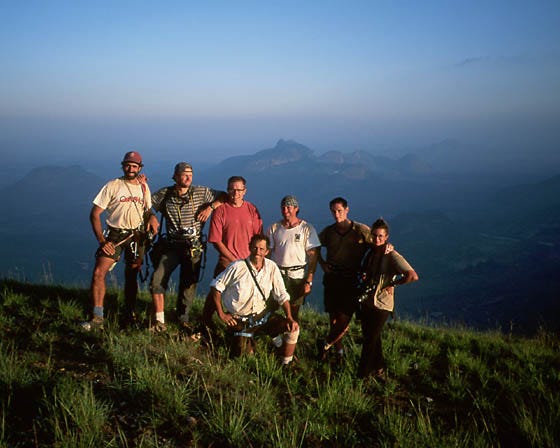
Maybe that’s the biggest lesson I learned in my years of climbing with him. Don’t pick your partners because they are great at climbing. Pick them because they’re great people.
In the weeks after Todd died, I remember a mutual friend confiding to me that he thought that Lander climbing would wither up and die now that Todd was no longer around. Todd was so central to what was going on at that time, such a charismatic figure, that this climber didn’t image the community could continue without him. I’m happy to say that didn’t happen.
I believe that Todd knew his legacy would outlast him. Not just in the routes he established. Not just in the way he helped his friends elevate themselves. Rather, by leading with kindness, curiosity, belief, and burning desire.